

Introduction
The rapid expansion of connected devices has fundamentally reshaped how data is generated, transmitted, and analyzed. Traditional cloud-centric models struggle to keep up with the scale, latency sensitivity, and bandwidth requirements of modern connected environments. This challenge has given rise to iot edge computing, a distributed computing paradigm that processes data closer to where it is created rather than relying exclusively on centralized cloud infrastructure.
As industries adopt automation, artificial intelligence, and real-time analytics, the need for faster response times and reduced network dependency becomes critical. Smart factories, autonomous vehicles, healthcare monitoring systems, and smart cities all require instant decision-making that cannot tolerate delays caused by round-trip communication to distant data centers.
This article provides an in-depth exploration of the foundations, architecture, advantages, applications, and future direction of edge-based data processing in IoT ecosystems. It also addresses security considerations and compares edge-centric models with traditional cloud approaches to help organizations make informed implementation decisions.
Understanding the Core Concept
What Is Edge-Based IoT Processing?
Edge-based IoT processing refers to a computing approach where data generated by connected devices is analyzed locally on or near the device itself, reducing latency, bandwidth usage, and reliance on centralized systems.
At its core, this approach shifts intelligence away from remote servers and embeds it into gateways, routers, or even sensors. By doing so, systems can respond to events in milliseconds rather than seconds, making them suitable for mission-critical environments.
Unlike conventional models that transmit all raw data to the cloud, iot edge computing enables selective data filtering, aggregation, and analytics at the source. Only relevant insights or summarized data are sent upstream, optimizing network efficiency and operational costs.
Evolution of IoT Data Processing Models
Early IoT deployments relied heavily on centralized cloud infrastructure. Devices acted as simple data collectors, transmitting information to remote servers for processing and storage. While effective for low-volume, non-time-sensitive workloads, this model exposed several limitations as IoT scaled globally.
The exponential growth of sensors, cameras, and industrial equipment resulted in massive data volumes. Network congestion, high latency, and escalating cloud costs made centralized processing unsustainable for many real-time applications.
Edge computing emerged as a natural evolution, bridging the gap between devices and the cloud. It enables hybrid architectures where time-critical tasks are handled locally while long-term analytics and storage remain in centralized platforms.
Architecture of Edge-Enabled IoT Systems
Edge Computing Architecture Explained
Edge computing architecture consists of connected devices, edge nodes, and cloud platforms working together to deliver low-latency and scalable data processing.
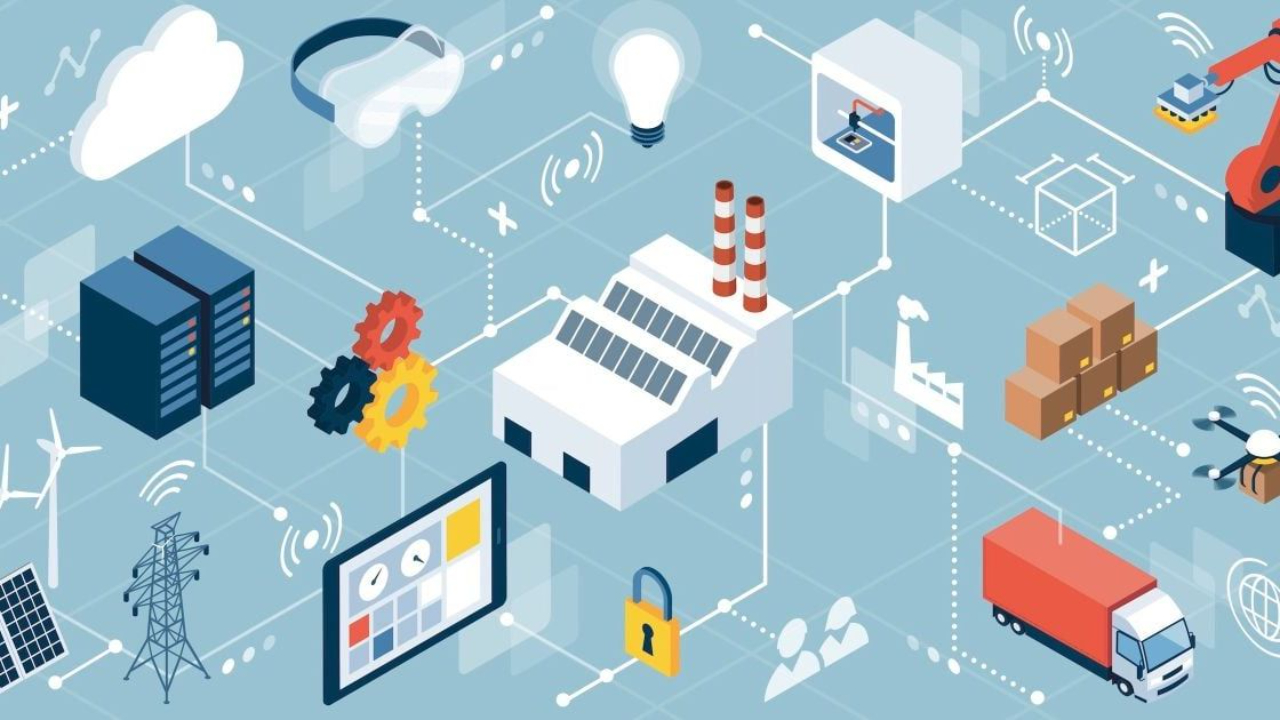
A typical architecture includes sensors and actuators that generate data, edge gateways that perform local processing, and cloud services that manage orchestration, analytics, and storage. Edge nodes may range from embedded systems to industrial servers, depending on workload complexity.
Communication protocols such as MQTT, CoAP, and OPC UA facilitate efficient data exchange across layers. Containerization and lightweight virtualization allow developers to deploy and update applications dynamically at the edge.
| Layer | Function | Examples |
|---|---|---|
| Device Layer | Data generation and actuation | Sensors, cameras, controllers |
| Edge Layer | Local analytics and filtering | Gateways, micro data centers |
| Cloud Layer | Centralized management and insights | Analytics platforms, dashboards |
Key Advantages of Edge-Driven IoT Processing
Organizations across sectors are adopting edge-centric models due to several compelling benefits. These advantages directly address the limitations of cloud-only architectures and unlock new capabilities for intelligent systems.
- Reduced latency for real-time decision making
- Lower bandwidth consumption and network costs
- Improved reliability during network disruptions
- Enhanced data privacy through local processing
- Scalability across geographically distributed deployments
These benefits make iot edge computing particularly valuable in environments where milliseconds matter or connectivity is inconsistent.
Industry Applications and Use Cases
Where Edge IoT Delivers the Most Value
Edge IoT solutions are widely used in industries requiring instant analytics, high availability, and localized intelligence.
In manufacturing, predictive maintenance systems analyze vibration and temperature data directly on factory floors, preventing equipment failures without relying on constant cloud connectivity. Retail environments use smart cameras and sensors to optimize inventory and personalize customer experiences in real time.
Healthcare applications include remote patient monitoring devices that analyze vital signs locally and trigger alerts instantly. Transportation systems leverage edge processing for traffic management, fleet tracking, and autonomous navigation.
Smart cities also benefit from decentralized processing by enabling adaptive lighting, waste management, and environmental monitoring without overwhelming centralized networks.
Edge vs Cloud: A Comparative Perspective
While edge and cloud computing serve distinct purposes, they are not mutually exclusive. Most modern deployments adopt a hybrid strategy that leverages the strengths of both models.
| Criteria | Edge Processing | Cloud Processing |
|---|---|---|
| Latency | Very low | Moderate to high |
| Bandwidth Usage | Optimized | High |
| Scalability | Localized | Global |
| Data Storage | Limited | Extensive |
| Cost Model | Hardware-centric | Usage-based |
Iot edge computing excels at handling immediate, localized tasks, while cloud platforms remain essential for large-scale analytics, machine learning model training, and centralized control.
Security and Privacy Considerations
Decentralized architectures introduce new security challenges that require careful planning. Each edge node becomes a potential attack surface, increasing the complexity of securing the overall system.
Strong authentication, encryption, and secure boot mechanisms are essential to protect devices from unauthorized access. Regular patching and remote management capabilities help mitigate vulnerabilities across distributed environments.
Local data processing also supports privacy compliance by keeping sensitive information on-site. This is particularly important in regulated industries such as healthcare and finance, where data residency requirements must be met.
Role of AI and Machine Learning at the Edge
Advances in lightweight AI frameworks have enabled machine learning inference directly on edge devices. This capability allows systems to detect anomalies, recognize patterns, and make predictions without constant cloud interaction.
Use cases include image recognition in surveillance systems, speech processing in smart assistants, and fault detection in industrial equipment. By combining AI with iot edge computing, organizations can achieve faster insights and reduce dependency on centralized resources.
Model optimization techniques such as quantization and pruning ensure that AI workloads remain efficient even on resource-constrained hardware.
Integration with Leading Edge Platforms
Several technology providers offer platforms designed to simplify edge deployments. Solutions such as AWS IoT Greengrass and Azure IoT Edge enable developers to deploy, manage, and monitor applications across thousands of edge devices.
These platforms support containerized workloads, over-the-air updates, and seamless integration with cloud services. They also provide security features and device management tools that reduce operational complexity.
Challenges in Large-Scale Edge Deployments
Despite its advantages, edge computing is not without challenges. Hardware heterogeneity, limited processing resources, and remote management complexities can complicate deployments.
Developers must design applications that are resilient, lightweight, and capable of operating autonomously. Standardization remains an ongoing effort, as diverse hardware and software ecosystems make interoperability difficult.
Organizations adopting iot edge computing must invest in robust orchestration, monitoring, and lifecycle management strategies to ensure long-term success.
Future Trends and Innovations
The future of edge-enabled IoT systems is closely tied to advancements in connectivity, hardware, and software ecosystems. The rollout of 5G networks will further reduce latency and enable new real-time applications at scale.
Emerging technologies such as federated learning allow machine learning models to be trained collaboratively across edge devices without sharing raw data. This approach enhances privacy while improving model accuracy.
As processing power continues to increase at the edge, the boundary between centralized and decentralized computing will become increasingly fluid.
Strategic Considerations for Adoption
Organizations considering edge-centric architectures should begin with clear use cases and performance requirements. Not all workloads require local processing, and a hybrid approach often delivers the best results.
Careful assessment of hardware capabilities, network conditions, and security requirements is essential. Partnering with experienced platform providers and adopting modular architectures can accelerate deployment and reduce risk.
By aligning technical capabilities with business objectives, iot edge computing can deliver measurable value across diverse industries.
Conclusion
Edge-based processing represents a significant shift in how connected systems operate and scale. By bringing intelligence closer to data sources, organizations can achieve faster response times, improved reliability, and enhanced privacy.
As IoT ecosystems continue to expand, the role of iot edge computing will become increasingly central to digital transformation strategies. Its ability to complement cloud platforms while addressing real-time and localized needs makes it a foundational technology for the next generation of intelligent systems.
Through thoughtful design, robust security practices, and strategic integration, enterprises can harness the full potential of edge-enabled IoT architectures to drive innovation and operational excellence.
Read More:- Multi-Access Edge Computing: Powering Low-Latency Apps