

Introduction
Businesses, developers, and IT professionals that want to stay competitive need to know what characteristics of cloud computing is and how it works in today’s digital-first environment. Cloud technology has changed the way businesses store data, run apps, and grow. Companies no longer depend on traditional on-premise servers; instead, they get computational power over the internet, which is more flexible and efficient.
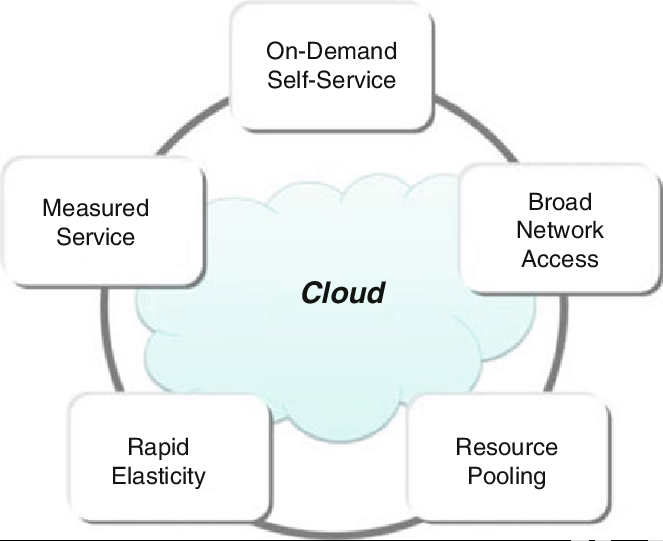
The characteristics of cloud computing determine how cloud platforms work and why they are better than traditional IT infrastructure. These defining traits, such as on-demand services and quick scalability, let companies come up with new ideas faster, cut expenses, and make their operations more efficient.
Cloud computing is more than just putting files online. It is a complete system of virtualized resources, distributed systems, and automated management tools that all work together smoothly. We list the seven most important characteristics of cloud computing below and explain why they are important in today’s computer world.
1. Self-Service on Demand
On-demand self-service is one of the most significant things about cloud platforms. This means that customers can automatically set up computer resources like servers, storage, or databases without any help from a service provider.
How It Works
Customers can:
-
Start virtual machines
-
Give out storage
-
Set up networking
-
Install apps
You can do all of this in a matter of minutes.
Why It Matters
-
Stops long rounds of buying hardware
-
Lessens reliance on IT admins
-
Makes new ideas come to life faster
Businesses can instantly try out, test, and use solutions without having to wait for infrastructure to be set up.
2. Wide Network Access
You can get to cloud services from many devices, like laptops, tablets, and smartphones, over the internet. This kind of accessibility makes it possible for people to connect to systems from almost anywhere in the world.
Main Advantages
-
Making remote work possible
-
Works on several platforms
-
Working together around the world
Having access to a wide network gives you freedom, which is especially crucial when you work from home or in a hybrid setting.
3. Sharing Resources
Cloud providers can serve several customers at once by employing shared infrastructure through resource pooling. Physical and virtual resources are assigned and reassigned based on how much they are needed.
Model for Multiple Tenants
Cloud providers use a multi-tenant architecture, which means that:
-
Several clients use the same hardware
-
Data stays safe and separate
-
Resources are spread out in a smart way
Pros
-
Better use of hardware
-
Lower costs of doing business
-
Infrastructure that can grow
This shared method keeps privacy and performance high while maximizing efficiency.
4. Quick Flexibility
Rapid flexibility means being able to quickly change the amount of resources available based on need.
Scalability vs. Elasticity
-
Scalability: Making the system bigger so it can handle more users
-
Elasticity: Changing resources in real time on their own
For instance, an eCommerce site can automatically add more server space during a holiday sale and then take it away after the sale is over.
Effect on Business
-
Stops the system from being too full
-
Makes the consumer experience better
-
Maximizes spending
Elastic systems modify how they work based on changes in workload, which keeps performance steady.
5. Service That Is Measured
Monitoring tools keep an eye on how resources are used on cloud systems. Customers pay for what they actually use instead of a set amount.
Model of Pay-As-You-Go
People only pay for:
-
Used storage
-
Time spent on computing
-
Amount of data transfer
Clear Costs
-
Tracking consumption in real time
-
Tools for controlling your budget
-
Reports on billing that are done automatically
Measured service helps organizations keep their finances in check while getting the most work done.
6. High Availability and Dependability
To keep downtime to a minimum, cloud providers provide infrastructure with backup and failover systems.
Systems with Redundancy
-
More than one data center
-
Servers for backup
-
Databases that are spread out
Recovery After a Disaster
-
Backups that happen automatically
-
Replication across regions
-
Quick recovery plans
These systems make sure that performance stays the same and that company keeps going even when hardware breaks.
7. Safety and Following the Rules
Security is one of the most important things about characteristics of cloud computing since businesses provide providers access to private information. Cloud platforms use many levels of security.
Main Security Features
-
Encryption of data while it is at rest and while it is in transit
-
Identity and access management (IAM)
-
Authentication using more than one factor
-
Firewalls and systems for detecting intrusions
Standards for Compliance
Cloud providers follow global standards like:
-
ISO certificates
-
Rules of the GDPR
-
Compliance frameworks that are tailored to an industry
Strong security measures make businesses more likely to trust and use the technology.
Table of Main Features Summary
| Characteristic | Description | Business Benefit |
|---|---|---|
| Self-Service on Demand | Giving forth resources right now | Faster deployment |
| Wide Network Access | Accessibility through the Internet | Working together at a distance |
| Pooling Resources | Model of shared infrastructure | Cost-effectiveness |
| Quick Elasticity | Ability to scale in real time | Stability of performance |
| Measured Service | Billing based on usage | Financial control |
| Availability at all times | Failover and redundant systems | Cut down on downtime |
| Safety and Compliance | Data protection and following requirements | Trust and reliability |
This table shows how each feature immediately helps to enhance operations and cut costs.
Why These Features Are Important for Businesses
Businesses today work in conditions that are competitive and change quickly. characteristics of cloud computing make it easy for organizations to change fast without spending a lot of money.
Cost-Effectiveness
Businesses don’t have to pay for a lot of gear up front; they only pay for what they use.
Flexibility
Cloud systems make it easier to try new things and deploy products faster.
Worldwide Reach
Companies can offer services all over the world without having to create physical infrastructure in every area.
Cloud vs. Traditional IT Infrastructure
Traditional IT settings need:
-
Buying physical hardware
-
Space in a data center just for you
-
Upgrades by hand
-
Costs of upkeep are high
Traditional systems, on the other hand, don’t have the same level of flexibility as characteristics of cloud computing, which makes them less suited to handle abrupt expansion or changes in the market.
Comparison Snapshot
| Factor | Traditional IT | Cloud Computing |
|---|---|---|
| Setup Time | Weeks/Months | Minutes |
| Scalability | Limited | Dynamic |
| Cost Structure | Cost of Capital | Cost of Operations |
| Maintenance | IT in-house | Managed by provider |
This comparison makes it clear why more and more people around the world are using cloud services.
Uses in the Real World
Many everyday services run on cloud computing:
-
Platforms for streaming
-
Systems for banking online
-
Tools for productivity in SaaS
-
Platforms for analytics powered by AI
Cloud infrastructure supports mission-critical workloads in many kinds of businesses, from small businesses to big multinational organizations.
What Sets Cloud Computing Apart?
Cloud computing is different because it integrates on-demand access, scalability, shared resources, and usage-based pricing into one flexible paradigm that encourages new ideas and saves money.
A Quick Look at the Benefits
Cloud systems have seven key advantages that let businesses grow quickly, lower capital expenses, keep data safe, and make sure that services are always available.
What Will Happen with Cloud Technology in the Future
Cloud computing is getting better as technology changes.
-
AI
-
Learning Machines
-
Computing at the Edge
-
The Internet of Things (IoT)
These connectors make automation, data processing speed, and predictive analytics better.
Companies that know how to use the characteristics of cloud computing are better able to adopt new technologies and stay ahead of the competition.
Questions That People Ask a Lot
What are the characteristics of cloud computing?
Some of the most important aspects are on-demand self-service, wide network access, resource pooling, quick flexibility, measurable service, high availability, and strong security frameworks.
Why are these things so important?
They make it possible to scale up, lower operating costs, make systems more reliable, and make them accessible from anywhere in the world.
Is it safe to use cloud computing?
Yes, modern platforms use encryption, compliance certifications, and access control systems to keep data safe.
Conclusion
In the digital age, cloud technology has completely transformed the way businesses work. It offers a flexible infrastructure approach that works for businesses of all sizes by providing solutions that are scalable, secure, and affordable.
Businesses can get the most out of characteristics of cloud computing. This helps them improve performance, keep prices down, and come up with new ideas faster than ever. These basic elements will keep driving technical innovation and changing the global IT landscape as digital transformation speeds up.
Read More:-Data Science Salary in 2026: Pay by Role, Experience, Location