

In today’s fast-paced business world, electricity is more than just a convenience; it is a critical part of daily operations. Power outages, whether caused by storms, equipment failures, or unexpected emergencies, can disrupt operations, damage equipment, and lead to financial losses. To prevent these issues, businesses rely on backup power systems, and one essential component of these systems is the generator day tank. Understanding how this equipment works and why it is important can help businesses maintain continuous operations during emergencies.
What Is a Generator Day Tank?
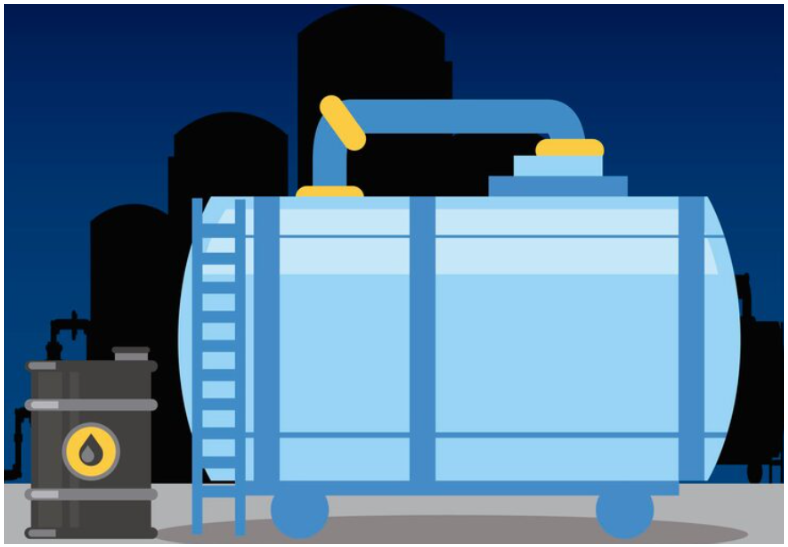
A generator day tank is a smaller fuel tank that works alongside a main fuel storage system to supply a generator with a steady flow of fuel. Unlike large storage tanks that may hold thousands of gallons of fuel, day tanks are designed to provide enough fuel for several hours of generator operation. They are usually placed near the generator and connected directly to it, ensuring that fuel is delivered efficiently and without delay. This setup allows the generator to start quickly and run reliably when a power outage occurs.
How Day Tanks Improve Emergency Preparedness
One of the key advantages of a generator day tank is its ability to enhance emergency preparedness. During a power outage, there is often no time to fill a generator manually from a large storage tank. A day tank keeps fuel readily available, so the generator can start immediately and continue running without interruption. This quick response is especially important for businesses that rely on electricity to maintain critical operations, such as hospitals, data centers, and manufacturing facilities.
Ensuring Fuel Stability and Safety
Generator day tanks also contribute to the stability and safety of fuel supply. Large storage tanks can sometimes experience fuel contamination or stratification, where fuel separates into layers over time. A day tank reduces the risk of these issues because it holds a smaller, frequently refreshed volume of fuel. Additionally, day tanks are designed with safety features such as overflow prevention, venting systems, and leak protection. This makes them a secure solution for maintaining fuel near the generator without creating hazards.
Supporting Continuous Operations
For businesses, downtime can be costly. Even a short power outage can interrupt production lines, spoil perishable goods, or prevent critical digital systems from functioning. A generator day tank ensures that the generator has a constant supply of fuel, enabling it to operate for the duration of an outage. By maintaining consistent power, day tanks help businesses protect their equipment, meet operational deadlines, and provide uninterrupted services to customers and clients.
Easy Maintenance and Monitoring
Another benefit of generator day tanks is that they are easier to monitor and maintain compared to large storage tanks. Because the fuel volume is smaller, businesses can quickly check fuel levels, inspect for leaks, and perform routine maintenance. Many modern day tanks also include level sensors and automated monitoring systems, which alert staff when fuel is low or maintenance is required. This reduces the risk of generator failure during emergencies and ensures that the backup power system remains reliable.
Conclusion
In an age where uninterrupted power is essential for business success, a generator day tank plays a crucial role in emergency preparedness. By providing a reliable, safe, and easily maintained source of fuel, day tanks enable generators to start quickly and run continuously during outages. This not only protects equipment and operations but also ensures that businesses can continue to serve their customers without disruption. Investing in a generator day tank is a practical and effective step for any business looking to stay powered and resilient in the face of unexpected emergencies.