

Introduction
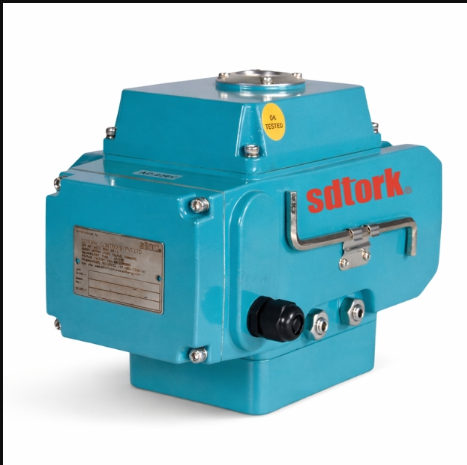
An Intelligent Electric Actuator is an advanced electromechanical device designed to control the movement of industrial valves, dampers, and other mechanical equipment with improved precision and automation. Unlike conventional actuators that primarily provide basic open and close movement, intelligent models can incorporate electronic controls, position feedback, diagnostics, communication capabilities, and configurable operating parameters. These features make them suitable for modern industrial facilities where accurate control, reliable operation, and equipment monitoring are important.
Industries are increasingly adopting automated systems to improve productivity, reduce manual intervention, and maintain consistent process conditions. Electric actuators can support this transition by converting electrical energy into controlled mechanical movement. When intelligent electronics are added, the actuator can become part of a wider automation network. This allows operators and control systems to monitor position, identify operating conditions, and manage equipment remotely. Applications can include water treatment, power generation, oil and gas, chemical processing, manufacturing, HVAC, and industrial ventilation.
What Is an Intelligent Electric Actuator?
An intelligent electric actuator combines an electric motor and mechanical drive system with electronic control and monitoring functions. The motor produces rotational movement, while gears or other transmission components convert that movement into the torque or linear force required by the connected equipment. An integrated control system manages the actuator’s operation according to programmed instructions or external signals.
The intelligent aspect comes from its ability to do more than simply move a valve or damper. Depending on the model, the actuator can provide position feedback, operating status, fault information, configurable limits, torque monitoring, and communication with automation systems. These capabilities help operators understand how the controlled equipment is performing. The actuator can therefore become an important component within a larger industrial control architecture rather than functioning as an isolated mechanical device.
How Does an Intelligent Electric Actuator Work?
The operating process starts when the actuator receives an electrical command from a local control station, programmable logic controller, distributed control system, or another automation device. The internal electronics interpret the command and activate the motor in the required direction. The gearbox then transfers the motor’s rotation to the output shaft, which moves the connected valve or damper.
Position sensors can continuously or periodically provide information about the actuator’s location. Depending on the design, the controller can compare the actual position with the requested position and adjust motor operation accordingly. Configurable limit settings can help define the operating range, while torque monitoring can detect unusual resistance. If a problem occurs, diagnostic functions may provide an alarm or fault indication to assist maintenance personnel.
Key Features of Intelligent Electric Actuators
One important feature is accurate position control. Industrial processes often require valves or dampers to operate at specific positions rather than simply being fully open or fully closed. An intelligent actuator can support precise positioning through electronic control and feedback systems.
Another useful feature is diagnostic capability. Depending on the equipment, operators may receive information about motor operation, torque conditions, travel limits, temperature, operating cycles, or fault conditions. Communication capabilities can also allow the actuator to exchange information with plant automation systems. These features can reduce the need for manual inspection and make troubleshooting more systematic.
Configurable settings provide another advantage. Operating parameters can often be adjusted according to the requirements of the connected equipment. This flexibility is particularly valuable when an actuator is used in different process applications or when operating requirements change during the life of a plant.
Applications in Industrial Automation
Industrial automation systems depend on accurate control of mechanical equipment. Valves and dampers are frequently used to regulate the movement of liquids, gases, steam, air, and other process media. An intelligent actuator can provide the movement required by these components while also supplying operating information to the control system.
In manufacturing facilities, actuated valves may control cooling water, compressed air, process fluids, or other utilities. In ventilation systems, actuators can control airflow through dampers. Water treatment plants may use automated valves to manage filtration, pumping, chemical dosing, and distribution processes. By connecting actuator control with centralized automation, operators can coordinate multiple pieces of equipment more efficiently.
Use in Water and Wastewater Treatment
Water treatment facilities contain numerous valves that must operate according to process requirements. These valves may control raw water, treated water, chemicals, sludge, and other fluids. Automated operation can reduce the amount of manual intervention required while improving repeatability.
An intelligent actuator can help operators monitor valve position and operating status from a central control system. This can be useful when valves are installed in locations that are difficult to access regularly. Diagnostic information may also help maintenance teams identify abnormal operating conditions. When properly specified, the actuator can support reliable operation in environments where moisture, temperature variation, and continuous cycling are important considerations.
Applications in Power Plants
Power generation facilities use a wide range of valves and dampers throughout their processes. Steam, cooling water, combustion air, exhaust gases, and other process streams may require controlled movement. Actuator selection depends heavily on the temperature, pressure, torque, speed, and environmental conditions associated with each application.
An intelligent electric actuator can support automated operation while providing feedback to the plant control system. Operators can use position information to understand whether a valve or damper has reached its intended operating point. Diagnostic features can also provide additional information when equipment does not respond as expected. For large power facilities, the ability to integrate field equipment into centralized control systems can simplify operational monitoring.
Oil, Gas and Chemical Industries
Oil, gas, and chemical processing facilities often contain complex networks of automated valves. These systems may handle hydrocarbons, chemicals, steam, water, gases, and other process media. Reliable actuation is important because the controlled equipment can influence process flow, pressure, isolation, and production conditions.
When selecting an actuator for these environments, engineers must consider the surrounding atmosphere, temperature, required torque, duty cycle, control method, and applicable safety requirements. An intelligent actuator can provide electronic monitoring and communication features that support plant automation. However, the actuator must always be selected according to the specific environmental and process requirements rather than relying solely on its intelligent functions.
Advantages of Intelligent Actuation
One of the major advantages of intelligent actuation is improved visibility into equipment operation. Traditional systems may provide limited information beyond whether a valve has received an operating command. Intelligent systems can provide additional information about position, faults, operating conditions, and other parameters depending on the model.
Automation can also reduce repetitive manual work. Instead of requiring operators to physically access every valve or damper, control commands can be sent electronically from an appropriate control system. This can be particularly useful in large facilities where equipment is distributed across extensive areas. Better monitoring can also help maintenance teams respond more efficiently to equipment abnormalities.
Communication and Control Integration
Modern industrial plants often use centralized control architectures. An intelligent actuator can be integrated into these systems through suitable communication interfaces or control signals. The exact communication method depends on the actuator design and the plant’s automation infrastructure.
Integration allows operators to receive information from field equipment and send commands through the control system. Position feedback, fault signals, and operational data can improve visibility across the facility. When multiple actuators are connected to a coordinated automation platform, process sequences can be managed with greater consistency. Proper network design, cybersecurity practices, signal configuration, and compatibility checks are important during implementation.
Selecting the Right Actuator
Selecting an actuator should begin with the requirements of the equipment being controlled. For valves, required torque is a major consideration. For dampers and other mechanisms, the required torque or linear force must be determined according to the design and operating conditions.
Engineers should also consider power supply, operating speed, duty cycle, control signal, environmental temperature, enclosure requirements, installation orientation, and available space. The actuator should have sufficient capacity for the connected equipment without being unnecessarily oversized. Additional consideration may be required for applications involving high cycling, emergency operation, corrosive atmospheres, high temperatures, or outdoor installation.
Installation Considerations
Correct installation is essential for reliable actuator performance. The actuator must be properly aligned with the valve, damper, or mechanical equipment it operates. Incorrect alignment can create unnecessary mechanical loading and may cause premature wear.
Electrical connections should follow the manufacturer’s specifications and applicable installation practices. Control wiring, feedback signals, grounding, and communication connections should be verified before commissioning. Mechanical fasteners should also be checked to ensure that the actuator remains securely mounted during operation. After installation, functional testing can confirm that commands, position feedback, travel limits, and safety functions operate as intended.
Maintenance and Troubleshooting
Although intelligent actuators can provide diagnostic information, regular maintenance remains important. Inspection intervals should be established according to operating conditions, cycling frequency, manufacturer recommendations, and the criticality of the application.
Maintenance personnel can review fault information and operating data to identify potential problems. Mechanical connections, electrical terminals, seals, cables, and mounting components should be inspected as appropriate. Unusual noise, excessive vibration, unexpected torque behavior, slow movement, or inconsistent positioning may indicate a mechanical or electrical problem. Addressing these conditions early can reduce the possibility of unplanned downtime.
Role in Smart Industrial Systems
The development of smart manufacturing is increasing demand for connected field equipment. An Intelligent Electric Actuator can contribute to this approach by combining mechanical movement with electronic monitoring and communication. Instead of operating only as a final control element, it can provide useful information to the wider automation system.
This approach supports data-driven maintenance and improved process visibility. Operators can potentially identify repeated faults, unusual operating patterns, or excessive cycling through available actuator data. Over time, this information can help maintenance teams understand equipment behavior and plan service activities more effectively. The actual benefits depend on the actuator’s capabilities and how well it is integrated into the plant’s automation architecture.
Future Development of Electric Actuation
Future actuator technology is likely to place greater emphasis on connectivity, diagnostics, energy efficiency, compact electronics, and easier integration with automation platforms. Manufacturers are developing systems that can provide more detailed operating information while maintaining reliable mechanical performance.
Condition monitoring may become increasingly important as industrial facilities seek to reduce unexpected equipment failures. More sophisticated diagnostic functions can help identify abnormal conditions before they result in complete equipment failure. At the same time, actuator design will continue to require strong mechanical components, dependable motors, suitable gearing, effective protection, and appropriate environmental resistance.
Conclusion
An Intelligent Electric Actuator provides a combination of controlled mechanical movement, electronic monitoring, feedback, and automation capabilities. It can be used to operate valves, dampers, and other industrial equipment across applications such as water treatment, power generation, chemical processing, manufacturing, HVAC, and industrial ventilation.
Successful actuator selection requires careful consideration of torque, speed, duty cycle, power supply, environmental conditions, control requirements, communication capabilities, and the characteristics of the connected equipment. Proper installation and regular maintenance are equally important for dependable operation. As industrial automation continues to develop, intelligent actuation can play an increasingly important role in connecting field equipment with modern control and monitoring systems.