
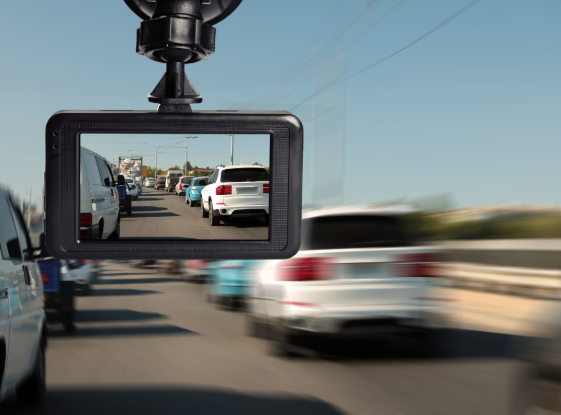

Early dash cams were simple recorders stuck to the windshield. Big housings, basic sensors, dangling cables, and footage that was often too grainy to be useful. They worked in a basic way, but they rarely felt like part of the car.
Recent generations look very different. Image quality has improved, features have become smarter, and just as important, the best systems now focus on factory-fit installation and OEM-style integration. Instead of feeling like an afterthought, a modern dash cam can blend into the cabin and behave like native equipment.
From Gadgets To Integrated Safety Tools
The biggest shift is not only in resolution or storage. It is in how dash cams are designed around the vehicle.
Older cameras acted as stand-alone accessories. They took power from a 12-volt socket, blocked part of the windshield, and ignored the rest of the car’s systems. Current designs are far more aware of the environment they are installed in. Many are built to mount in the shadow of the rearview mirror, use dedicated wiring, and operate quietly in the background.
An integrated dash cam can support daily driving in the same way other safety tech does. It records incidents, protects parked cars, and complements features like advanced driver assistance systems instead of visually fighting them.
Cleaner Factory-Fit Installs
Drivers have become more sensitive to how their interiors look. They want additional technology, but they do not want exposed wiring, suction cup marks, or devices hanging into their line of sight.
Factory-fit style dash cam systems address that problem. Mounts are shaped to sit close to the mirror or housing, power is brought in through trim pieces, and the end result feels closer to OEM equipment than a generic gadget.
Benefits of this approach include:
- A cleaner windshield area with fewer distractions
- Lower chance of accidental bumps or misalignment
- Less temptation for theft because the camera is less obvious from the outside
For dealers and shops, this kind of installation standard also means technicians can repeat the process across many vehicles with consistent quality.
Improved Low-Light And HDR For Real Conditions
On the technical side, sensor and lens improvements have transformed night performance. Early units were often nearly useless in poorly lit streets or parking garages. Headlights would blow out part of the image, while everything else faded into darkness.
Modern systems focus heavily on low-light capability and dynamic range. Wider apertures, better processing, and HDR (high dynamic range) modes keep detail visible in mixed lighting. That matters for factory-fit style setups because these cameras are expected to perform like any other built-in safety aid, not only in perfect daylight but in real-world conditions where most incidents actually happen.
Smarter Parking Protection For Everyday Use
Parking mode may have evolved more than any other feature. The idea of protecting a parked vehicle used to be primitive or unavailable. Now, hardwired dash cams can monitor impacts, motion near the car, and even capture time-lapse sequences to conserve storage.
For drivers who park on the street, in public garages, or in shared residential lots, this effectively extends the vehicle’s safety net while it sits unattended. When the camera is installed in a factory-fit style, the system does its job with no extra effort from the owner beyond the initial setup.
Connectivity Without Complexity
As technology has matured, connectivity features have become more user-friendly. Wi-fi access, companion apps, and easier clip management are now common. This is important in an OEM-style context because most drivers expect simple access rather than a complicated process to retrieve footage.
Instead of removing memory cards, users can view, tag, and export clips directly from a phone. That convenience makes people more likely to use the camera’s full capabilities, instead of forgetting it exists until a major incident occurs.
Why The Supply Side Matters
Behind every well-integrated system is a supply chain that understands automotive requirements. A trusted dash cam supplier does more than ship hardware. They help design product lines that support consistent mounting positions, clean wiring routes, and reliable performance in heat, cold, and vibration.
For dealers and shops that want to offer factory-fit style dash cams, working with a focused supplier means:
- Access to models suited for different vehicle types and customer needs
- Documentation and training that match real workshop conditions
- Firmware support and warranty processes that protect both the shop and the end user
This combination is what lets a dash cam feel like a factory option, even when it is installed after delivery.
A More Mature, Vehicle-Focused Generation
Dash cam technology has moved away from being a simple recorder strapped to the glass. The best systems now combine improved image quality, smarter parking modes, better low-light capability, and thoughtful industrial design with installation practices that respect the interior.
For drivers, this means they can enjoy the benefits of constant recording without cluttering the cabin. For professionals, it means there is a clear path to offering OEM-style dash cam solutions that fit neatly into existing sales and service processes. The technology has improved, but more importantly, it has grown up to match the expectations placed on modern vehicles.