
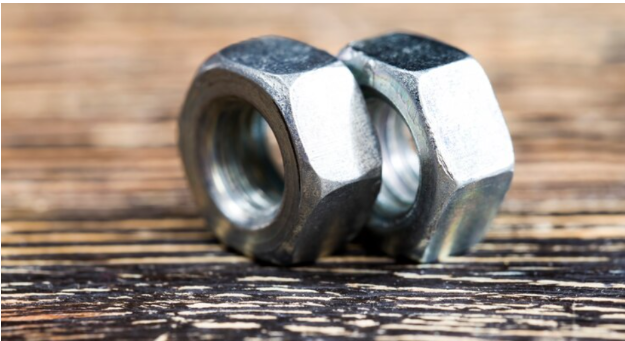

Mechanical projects, whether they are small DIY tasks or large industrial installations, require components that can withstand stress and vibration. One of the most important aspects of any mechanical assembly is ensuring that nuts and bolts stay tight over time. Loose fasteners can cause equipment failure, reduce safety, and increase maintenance costs. This is where flex lock nuts come in. These specially designed nuts provide extra security and reliability, making them a popular choice in mechanical projects of all sizes.
What Are Flex Lock Nuts?
Flex lock nuts are a type of locking nut designed to resist loosening caused by vibration or dynamic loads. Unlike regular nuts, which may gradually loosen when exposed to movement, flex lock nuts have a flexible nylon insert or a unique threaded design that creates a strong grip on the bolt. This feature helps maintain tension and keeps the nut securely in place, reducing the risk of accidents or equipment damage. Using flex lock nuts ensures that your assemblies stay stable for longer periods without the need for frequent retightening.
Advantages of Using Flex Lock Nuts
Using flex lock nuts in mechanical projects provides several advantages. First, they increase the reliability of your assemblies by preventing loosening, which is especially important in machinery that experiences constant motion or vibration. Second, they reduce maintenance efforts because the fasteners stay secure without regular checks. Third, flex lock nuts improve safety by minimizing the chance of mechanical failures caused by loose connections. Overall, incorporating these nuts into your projects contributes to smoother operation, longer equipment life, and fewer disruptions.
Applications in Mechanical Projects
Flex lock nuts are versatile and can be used in a wide range of mechanical projects. In automotive applications, they help secure engine components, suspension systems, and other parts subject to vibration. In industrial machinery, flex lock nuts are essential for maintaining the integrity of assemblies in equipment such as conveyors, pumps, and motors. Even in home DIY projects, these nuts can provide extra confidence that shelves, furniture, or custom machinery will remain securely fastened over time. Their adaptability makes them a valuable component for anyone working with mechanical assemblies.
How Flex Lock Nuts Improve Efficiency
Using flex lock nuts can also improve project efficiency. When fasteners remain tight, it reduces downtime for inspections and retightening, allowing projects to progress more smoothly. This is particularly important in industrial settings where equipment downtime can be costly. Additionally, by preventing premature loosening, flex lock nuts can extend the lifespan of other components connected to the assembly. This reduces the need for replacements and repairs, saving both time and money. Efficient, secure connections help your projects run more reliably from start to finish.
Installation Tips for Best Results
To get the most out of flex lock nuts, proper installation is key. Always use the correct size nut for the bolt and avoid over-tightening, which can damage the nylon insert or threading. It is also important to ensure that the threads of both the bolt and nut are clean and free from debris before installation. When installed correctly, flex lock nuts provide a firm grip and maintain tension, giving you confidence that your mechanical projects will stay secure and function as intended.
Conclusion
Flex lock nuts are an essential component for anyone looking to make mechanical projects more reliable. Their unique design prevents loosening, improves safety, reduces maintenance, and enhances efficiency. Whether you are working on automotive systems, industrial machinery, or home projects, using flex lock nuts ensures that your assemblies remain secure and stable over time. By choosing these reliable fasteners, you can complete your projects with greater confidence, knowing that your equipment will perform consistently and safely.