

Introduction
A Valve manufacturer in Pune plays an important role in supporting industries that require reliable flow-control equipment for liquids, gases, steam, chemicals, and other process media. Pune and its surrounding industrial areas have a strong engineering and manufacturing presence, creating demand for valves across automotive, pharmaceuticals, chemicals, power, water treatment, food processing, engineering, and other industrial applications. Local industrial clusters include areas such as Bhosari, Pimpri-Chinchwad, Chakan, Talegaon, and other manufacturing zones where engineering and process-related businesses operate.
Industrial valves are essential because they control, isolate, regulate, or redirect the movement of fluids through pipelines and equipment. A suitable valve must be selected according to pressure, temperature, fluid characteristics, flow requirements, pipeline size, materials, and operating conditions. Manufacturers serving Pune can provide standard as well as customized solutions, depending on project requirements. Local industry sources identify a broad range of valve products and applications across Pune’s engineering and manufacturing ecosystem.
Understanding Industrial Valve Manufacturing in Pune
Pune has developed a diverse engineering ecosystem that supports manufacturing, automation, automotive production, pharmaceuticals, process industries, and industrial equipment. This environment creates demand for different types of valves, from basic isolation products to specialized automated flow-control systems. A Valve manufacturer in Pune may focus on specific valve categories or provide a broader product range according to the requirements of industrial customers.
Manufacturing involves much more than assembling individual components. Depending on the valve design, production can include engineering, casting or forging, CNC machining, component inspection, surface treatment, assembly, pressure testing, leakage testing, and final quality inspection. Manufacturers may also provide customized dimensions, materials, end connections, pressure classes, and actuator arrangements. The presence of manufacturing facilities and engineering companies around Pune gives industrial buyers access to suppliers serving both standard and specialized requirements.
Types of Valves Available
Different industrial applications require different valve designs. Gate valves are generally used for isolation, providing a relatively unrestricted flow path when fully open. Globe valves are commonly selected when flow regulation is required. Ball valves use a rotating ball and are often chosen for quick operation and tight shutoff. Butterfly valves use a rotating disc and can provide a compact solution for larger pipelines.
Check valves are designed to prevent or reduce reverse flow, while plug valves can provide quarter-turn isolation. Knife gate valves are often considered for applications involving slurries or media containing suspended solids. Diaphragm valves can be useful for applications where the process medium must remain separated from the operating mechanism. Control valves, meanwhile, are designed to regulate process variables such as flow, pressure, or temperature.
A Valve manufacturer in Pune may produce or supply several of these categories depending on its engineering capabilities and target industries. The correct choice should always be based on the function of the valve and the conditions under which it will operate.
Materials Used in Valve Manufacturing
Material selection is one of the most important parts of valve engineering. The valve body, internal components, stem, seats, seals, and other parts need to be compatible with the process conditions. Carbon steel is commonly used for many industrial applications, while stainless steel is frequently selected where corrosion resistance or cleanliness is important. Cast iron and ductile iron can be suitable for certain water and utility applications.
More demanding environments may require alloy steel, duplex stainless steel, or specialized corrosion-resistant alloys. The correct material depends on factors such as operating temperature, pressure, chemical composition, corrosion potential, erosion, and mechanical loads. Seat and sealing materials must also be considered because the body material alone does not determine overall valve performance.
Pune-based industrial manufacturers can provide products using different material combinations according to application requirements. Customers should provide accurate process information before selecting materials. A valve designed for water service, for example, may not be appropriate for corrosive chemicals, high-temperature steam, or abrasive slurry without suitable changes to its construction.
Valve Manufacturing Process
The manufacturing process generally begins with product design and technical planning. Engineers establish dimensions, pressure ratings, materials, connection types, tolerances, and other requirements before production begins. Depending on the valve design, components may be produced through casting, forging, fabrication, or machining.
Machining is particularly important for components that require accurate dimensions and smooth surfaces. Valve seats, stems, discs, balls, and connection faces must meet specified tolerances to ensure proper operation and sealing. Computer-controlled machinery can help manufacturers achieve consistent dimensions across repeated production.
After machining, components are inspected before assembly. Seals, gaskets, packing, fasteners, operating mechanisms, and internal components are installed according to the product design. Finished valves can then undergo pressure, leakage, functional, and dimensional testing. A structured manufacturing process helps ensure that the final product meets its specified technical requirements.
Applications Across Pune Industries
Pune’s industrial environment creates demand for valves across multiple sectors. Automotive and engineering plants may use valves in compressed-air systems, cooling systems, hydraulic applications, process equipment, and utility networks. Pharmaceutical facilities can require hygienic valves and corrosion-resistant materials for controlled processing environments. Chemical industries may need valves capable of handling aggressive fluids and demanding operating conditions.
Water and wastewater treatment facilities use valves for pumping, distribution, filtration, treatment, and isolation. Power-generation facilities require valves for steam, cooling water, feedwater, condensate, and other process systems. Food and beverage facilities may require hygienic construction and suitable sealing materials, while textile, cement, mining, paper, and general manufacturing plants have their own flow-control requirements.
A Valve manufacturer in Pune therefore needs to understand the application rather than simply supplying a valve based on pipeline size. Local suppliers advertise products serving sectors such as automotive, pharmaceuticals, water treatment, engineering, chemical processing, food, power, and other industries.
Customized Valve Solutions
Industrial projects sometimes require valves that differ from standard catalog products. Customization can involve body materials, pressure classes, dimensions, end connections, seat materials, stem arrangements, coatings, or actuator configurations. Customized products are particularly useful when a valve needs to fit an existing installation or operate under unusual service conditions.
The customization process normally starts with technical information from the customer. Important details may include pipeline diameter, operating pressure, temperature, fluid composition, flow rate, installation orientation, operating frequency, and applicable standards. Engineers can then determine the appropriate construction and operating mechanism.
Pune’s engineering ecosystem supports manufacturers that work with application-specific industrial equipment. Some manufacturers in the region advertise integrated production and engineering capabilities for customized industrial valve requirements. Clear technical documentation is essential for customized orders because drawings, specifications, testing requirements, and material details help prevent misunderstandings during production.
Valve Automation and Actuators
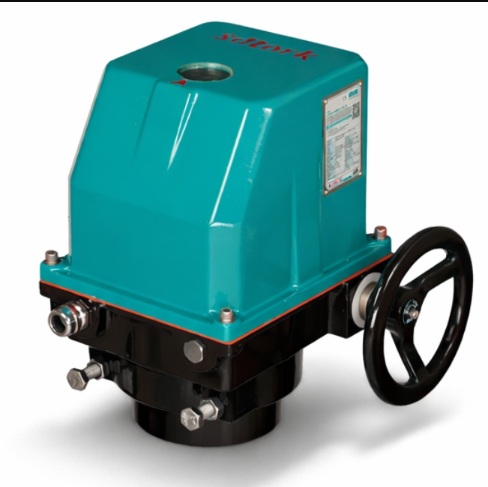
Automation has become increasingly important in modern industrial facilities. Instead of manually operating every valve, plants can use pneumatic, electric, or other actuator systems. Automated valves can be controlled remotely and may be integrated with plant control systems, allowing operators to manage processes from centralized locations.
Pneumatic actuators can be useful where compressed air is readily available and rapid operation is required. Electric actuators can be suitable where electrical control, remote operation, or positioning is required. Gear-operated systems can also be used where manual operation needs additional mechanical advantage.
When purchasing an automated valve, the actuator should be selected as part of the complete valve assembly. Torque or thrust requirements, operating speed, cycling frequency, available power, environmental conditions, and fail-position requirements should all be evaluated. A Valve manufacturer in Pune with valve automation capabilities can help match the actuator to the valve and application.
Quality Testing and Inspection
Quality testing is critical because a valve failure can affect the performance and safety of an entire piping system. Testing requirements vary according to valve design and project specifications, but may include shell pressure testing, seat leakage testing, dimensional inspection, functional testing, and material verification.
Quality control should begin before final assembly. Raw materials may need verification, while machined components can be checked for dimensions and surface conditions. After assembly, pressure and leakage tests can help confirm that the valve performs according to its specified requirements.
Some Pune-based manufacturers advertise hydrostatic testing, quality documentation, and inspection services for their valve products. Buyers should verify the exact tests and certificates required for their particular application rather than assuming that every valve requires the same inspection procedure.
Standards and Documentation
Industrial valve projects often involve technical standards that define requirements for design, materials, dimensions, pressure ratings, testing, and performance. Depending on the application, specifications may reference Indian or international standards such as API, ASME, ISO, BS, DIN, or other applicable standards.
Documentation is equally important for industrial procurement. Buyers may require material certificates, pressure-test reports, inspection documents, dimensional records, calibration certificates, drawings, or product datasheets. These documents help engineering and quality teams verify that the supplied valve matches the approved specification.
For projects involving critical process equipment, third-party inspection may also be required. The manufacturer should be informed of these requirements before production begins so that the appropriate inspection stages can be incorporated into the manufacturing plan.
How to Choose a Valve Manufacturer in Pune
Choosing a supplier requires careful evaluation of technical and commercial factors. Buyers should first determine whether the manufacturer has experience with the required valve type, material, size, pressure class, and application. Production facilities, machining capabilities, testing equipment, engineering resources, and quality systems can provide insight into the manufacturer’s ability to handle the order.
It is also important to evaluate communication and documentation. The supplier should be able to understand technical specifications and clearly explain product limitations, delivery schedules, testing procedures, and maintenance requirements. Buyers should also clarify warranty terms, spare-parts availability, packaging, inspection arrangements, and after-sales support.
The local market includes manufacturers and suppliers operating in industrial areas such as Bhosari and Pimpri-Chinchwad. Current business listings show multiple valve-related manufacturers across Pune and its surrounding industrial areas, although their product ranges and capabilities differ.
Benefits of Working With a Local Manufacturer
Working with a local manufacturer can provide practical benefits when the supplier has suitable technical capabilities. Communication with engineering teams can be easier when technical discussions, inspections, and product evaluations can take place within the same region. Local access can also be useful when customers require modifications, replacement components, or application support.
Pune’s industrial clusters provide access to a network of engineering and manufacturing businesses. Manufacturers and industrial suppliers operate across areas including Bhosari, Pimpri-Chinchwad, Chakan, Markal, and other parts of the Pune region. This concentration can support procurement for companies operating nearby.
However, geographic proximity should not be the only selection factor. Product quality, manufacturing capability, testing, documentation, technical expertise, delivery performance, and application experience should remain central to the purchasing decision.
Future of Valve Manufacturing in Pune
The future of valve manufacturing in Pune is closely connected with industrial automation, advanced engineering, process modernization, water management, pharmaceuticals, automotive production, and other manufacturing activities. As factories become more automated, demand for actuated and controllable valve systems can increase. Digital monitoring can also provide greater visibility into equipment operation and maintenance requirements.
Manufacturers are also likely to focus on improved machining accuracy, better sealing technologies, corrosion-resistant materials, and application-specific products. Energy efficiency and reduced leakage are becoming important considerations for many industrial systems, making valve performance increasingly relevant to overall plant efficiency.
Pune’s established engineering ecosystem provides a strong environment for continued development in industrial flow-control equipment. Companies seeking valve solutions can benefit from evaluating suppliers based on their specific technical requirements rather than relying solely on general product categories.
Conclusion
A Valve manufacturer in Pune can support a wide range of industries with products designed to control, regulate, isolate, and direct process fluids. Gate, globe, ball, butterfly, check, plug, knife gate, diaphragm, and control valves each serve different operating purposes, while automated configurations can provide additional control for modern industrial facilities.
Choosing the right valve requires careful evaluation of pressure, temperature, fluid characteristics, materials, size, connection type, actuation, standards, and testing requirements. Buyers should also assess manufacturing capabilities, quality procedures, documentation, customization options, delivery schedules, and technical support before selecting a supplier. Pune’s diverse engineering and manufacturing ecosystem provides access to a range of valve-related companies, making application-specific evaluation particularly important. A well-matched valve and reliable manufacturing process can contribute to efficient operation, dependable flow control, and long-term industrial system performance.