
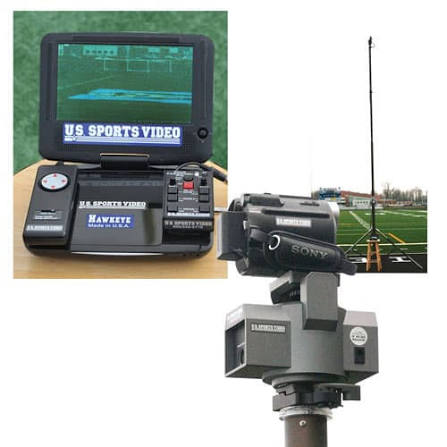

Successful sports coaching involves more than observing athletes during practice or making quick adjustments during competitions. Coaches need reliable information to understand team performance, evaluate individual skills, and develop strategies that produce consistent results. Clear video footage makes this process easier by providing a detailed record of what happens during training sessions and games. With solutions such as a Hudl Endzone Camera, coaching staff can capture elevated views of the playing field and review important moments from a broader perspective.
Understanding the Importance of Video Quality
The usefulness of sports footage depends largely on how clearly the action is recorded. Blurry images, obstructed views, and poorly positioned cameras can make it difficult to identify player movements or understand how a particular play developed.
High-quality recordings allow coaches to examine details such as spacing, positioning, timing, and coordination. These observations are particularly valuable in fast-moving sports, where several players may be involved in different activities at the same time.
Clear footage also reduces uncertainty when reviewing important decisions. Instead of depending entirely on memory, coaches can revisit the original action and make assessments based on visible evidence.
Making Tactical Decisions With Greater Confidence
Sports strategies frequently change according to the strengths and weaknesses of competing teams. Coaches must understand how formations perform under pressure and whether players are following their assigned responsibilities.
Video analysis provides an opportunity to examine these elements outside the intensity of live competition. For example, a football coach can review how the offensive line responds to defensive pressure or whether receivers maintain appropriate spacing during passing plays.
These insights help coaching staff identify patterns and determine which adjustments deserve attention. Reviewing multiple recordings can also reveal whether a particular tactical approach consistently produces positive results.
Improving Individual Player Evaluation
Every athlete contributes differently to team performance. Some players demonstrate excellent technical ability, while others excel through positioning, communication, or decision-making.
Recorded footage helps coaches evaluate these contributions more accurately. They can examine an athlete’s movements, identify technical weaknesses, and provide feedback using specific examples.
For instance, a quarterback may benefit from reviewing throwing decisions, while defensive players can study their positioning and reactions during different situations. This makes performance discussions more constructive because athletes can see the areas being discussed rather than relying only on general instructions.
Strengthening Team Communication
Effective teamwork depends on players understanding their responsibilities and responding appropriately to changing situations. Miscommunication can create gaps in defensive coverage, disrupt attacking movements, and affect overall coordination.
Reviewing game footage gives coaches a practical way to explain these problems. They can show how one player’s movement influenced the rest of the formation and discuss what could have been done differently.
Group video sessions also encourage athletes to participate in tactical discussions. Players may recognize opportunities that were overlooked during the game, helping create a more collaborative learning environment.
Preparing More Effectively for Upcoming Competitions
Game preparation requires careful planning and an understanding of potential challenges. Coaches can use previous recordings to study their own team’s performance and identify areas that opponents might exploit.
Footage from earlier competitions can help reveal recurring defensive weaknesses, inconsistent execution, or successful attacking patterns. Coaching staff can then design practice drills that address these specific findings.
This approach makes preparation more focused because training activities are connected to real situations rather than hypothetical examples.
Choosing the Right Sports Recording Setup
A suitable camera arrangement plays an important role in collecting useful footage. Teams should consider recording height, field coverage, image clarity, equipment stability, and ease of operation before selecting a system.
Elevated recording positions are especially helpful when coaches need to observe complete formations rather than isolated player movements. Portable equipment can also make it easier for schools, clubs, and competitive programs to record sessions at different venues.
The goal is to establish a dependable recording process that supports regular performance reviews without creating unnecessary complications during practice.
Conclusion
Clear game footage gives sports coaches a stronger foundation for evaluating performance and making informed decisions. It supports tactical analysis, individual development, team communication, and competition preparation. When combined with practical coaching experience, reliable video recording can turn everyday sporting activities into valuable learning opportunities. Teams that use these insights consistently are better positioned to recognize weaknesses, refine their strategies, and build a more organized approach to athletic development.